Polysubstances Addiction Q&A
Most people who use substances do not stick to just one, and that is where the risks multiply. Whether the concern is meth, benzodiazepines, hallucinogens, inhalants, or a combination of several, the way different substances interact can be far more dangerous than any single one on its own. Below, we answer the most common questions about polysubstance use: the warning signs, the statistics, the risks of combining drugs, and what actually helps when you want to stop. When you're ready, take our free Polysubstances Addiction Check (Takes 1-3 minutes, confidential, with instant results)
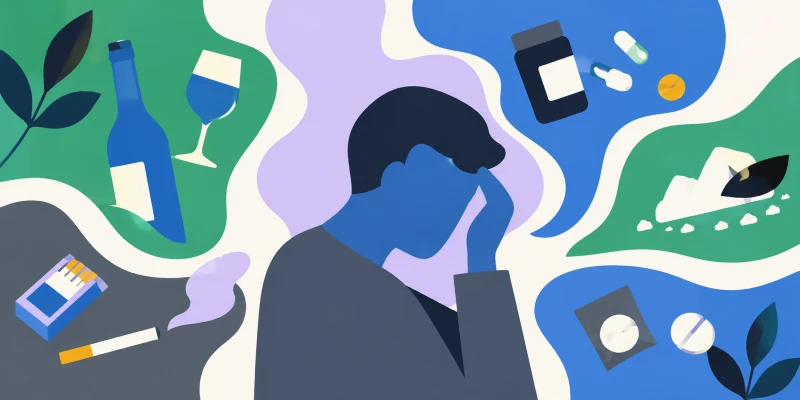
Substance use extends beyond the most commonly discussed drugs. Methamphetamine, benzodiazepines, hallucinogens, and inhalants each affect millions of people in the US, Canada, and globally. Here is a snapshot of the scale:
- 2.4 million people in the US aged 12 and older reported past-year methamphetamine use in 2024, representing 0.8% of the population. Meth-related overdose deaths have risen sharply over the past decade (NIDA, citing 2024 NSDUH data).
- Approximately 30.6 million US adults report using benzodiazepines (anti-anxiety medications like Xanax, Valium, Ativan). Of these, roughly 5.3 million engage in misuse, taking them without a prescription, in higher doses, or for longer than intended (Addiction Help, 2024).
- Psychedelic use has increased 30% since 2021 in the US. In 2024, 7.9% of adults aged 18-25 reported past-year psychedelic use, with psilocybin being the most commonly used substance. 68% of psilocybin users reported using it for fun or enjoyment, while about a third used it for mental or physical health reasons (ASAM, 2025).
- Inhalant use remains below 1% of the US population aged 12 and older, though rates are higher among younger adolescents. The rate of inhalant use has been generally declining in the US over the past two decades (NIDA).
- In Canada, polysubstance use is a significant concern. Health Canada commissioned a 2024 study showing that many people who use substances use more than one, often combining depressants with stimulants or mixing prescription medications with alcohol (Health Canada, 2024).
- Globally, an estimated 292 million people used drugs in 2023, a 20% increase over the past decade. Amphetamines (including methamphetamine) account for a significant share of global drug treatment demand, particularly in North America, East Asia, and Oceania (UNODC World Drug Report, 2025).
- Worldwide, around 400 million people lived with alcohol or drug use disorders according to the WHO's most recent global report. Drug use contributes to hundreds of thousands of deaths annually, with the largest burden in North America (WHO).
These numbers include people across every demographic. Substance use patterns vary widely, but the risks are real regardless of background.
Methamphetamine is a potent central nervous system stimulant. It is chemically related to amphetamine but has more pronounced effects on the brain's reward system. Understanding its effects and risks is important for anyone who uses or is considering using it.
How it works. Methamphetamine causes a massive release of dopamine, creating intense feelings of euphoria, energy, and increased focus. These effects can last 6-12 hours, much longer than other stimulants. The high is followed by a "crash" as dopamine levels plummet, leading to fatigue, depression, and strong cravings.
Routes of use. Methamphetamine can be smoked, snorted, injected, or taken orally. Smoking and injecting produce the most intense effects but also carry the highest addiction risk. The route of use significantly affects the speed of dependence development.
Short-term risks. Increased heart rate and blood pressure, hyperthermia (dangerously high body temperature), irregular heartbeat, anxiety, paranoia, aggression, and insomnia. Methamphetamine use can also trigger psychotic episodes, including hallucinations and delusions.
Long-term risks. Severe dental problems ("meth mouth"), extreme weight loss, skin sores from picking, cognitive impairment affecting memory and decision-making, and lasting mental health issues. Many psychotic symptoms can recur months or even years after stopping use (Addiction Help).
Overdose risk. Methamphetamine overdose can cause stroke, heart attack, organ failure, and death. Meth-involved overdose deaths have risen dramatically in the US, often involving combinations with opioids or alcohol.
Methamphetamine use has increased in North America over the past decade, with the UNODC also reporting a 47% increase in methamphetamine consumption in Western and Central Europe between 2014 and 2024 based on wastewater analysis.
Benzodiazepines (benzos) are central nervous system depressants prescribed for anxiety, panic disorders, insomnia, and seizures. Common benzodiazepines include Xanax (alprazolam), Valium (diazepam), Ativan (lorazepam), Klonopin (clonazepam), and many others. They are among the most widely prescribed medications in the world, and also among the most misused.
How they work. Benzodiazepines enhance the effect of GABA, the brain's primary inhibitory neurotransmitter. This produces calming effects, including reduced anxiety, muscle relaxation, sedation, and in higher doses, sleep. The calming effect can feel like relief for people struggling with anxiety, which is part of why benzodiazepine dependence is so common.
Prescribed vs. misused. Many people who develop problems with benzodiazepines started with a legitimate prescription. Over time, tolerance builds, requiring higher doses to achieve the same effect. The 2024 NSDUH found that approximately 5.3 million adults in the US misuse tranquilizers or sedatives, including benzodiazepines.
Dependence and withdrawal. Benzodiazepine dependence can develop within weeks of regular use. Withdrawal is often more severe and more dangerous than withdrawal from opioids or alcohol in some ways. It can include: severe anxiety, panic attacks, insomnia, muscle spasms, seizures (which can be fatal), and in prolonged cases, psychosis. Medical supervision is strongly recommended for benzodiazepine withdrawal.
Polydrug risk. Benzodiazepines are especially dangerous when combined with alcohol, opioids, or other depressants. The combination can cause respiratory depression, overdose, and death. Many opioid overdose deaths involve benzodiazepines as a contributing factor.
Benzodiazepine misuse is a growing concern in Canada as well, where prescription monitoring programs have begun tracking their use more closely due to rising rates of dependence and overdose.
Hallucinogens include a wide range of substances that alter perception, mood, and cognitive processes. Classical hallucinogens include LSD, psilocybin (magic mushrooms), mescaline (peyote), and DMT. Dissociative drugs like ketamine and PCP are often grouped with hallucinogens but work differently on the brain. MDMA (ecstasy/molly) has both stimulant and mild hallucinogenic properties.
Rising use. Psychedelic use has increased significantly in recent years. The ASAM (American Society of Addiction Medicine) reported a 30% increase in psychedelic use since 2021 in the US. Psilocybin is the most used, with nearly 70% of users reporting they use it for fun or enjoyment, while about a third use it for mental or physical health purposes.
Psilocybin and LSD. These classical hallucinogens affect serotonin receptors, particularly the 5-HT2A receptor. Effects include altered perception of time and space, visual and auditory hallucinations, euphoria, and profound changes in thought patterns. A "bad trip" can include extreme anxiety, paranoia, and terrifying hallucinations.
MDMA. MDMA causes the release of serotonin, dopamine, and norepinephrine. Effects include feelings of emotional warmth, empathy, increased energy, and mild perceptual changes. Risks include hyperthermia, dehydration (or overhydration), serotonin syndrome, and neurotoxicity with frequent use. Posts: MDMA can cause depression, fatigue, and cognitive difficulties.
Ketamine. Originally developed as an anesthetic, ketamine is now used medically for treatment-resistant depression and for pain management. At higher doses, it produces dissociative effects, like feeling detached from your body and surroundings. Non-medical use carries risks of bladder damage, cognitive impairment, and addiction.
Key risks. Hallucinogens are generally not considered physically addictive in the same way as opioids or stimulants, but they carry significant psychological risks: triggering or worsening underlying mental health conditions (especially psychosis and schizophrenia), HPPD (hallucinogen persisting perception disorder, or "flashbacks"), accidents and injuries while under the influence, and risky behavior due to impaired judgment.
Important note. With the rise of psychedelic research for therapeutic use, many people assume these substances are safe or beneficial. While there is promising research for psilocybin-assisted therapy and ketamine treatment, non-medical use carries real risks, especially with unregulated substances of unknown purity and dosage.
Inhalants are everyday household products that can be abused by inhaling their vapors. Common inhalants include aerosol sprays (paint, deodorant, cooking spray), cleaning fluids, glue, paint thinner, nitrous oxide ("laughing gas" or whippets), and gasoline. They are among the most accessible substances, which contributes to higher use among younger adolescents.
Who is most affected. According to NIDA, inhalants are most commonly used by adolescents, especially younger adolescents (ages 12-17). Overall rates have been declining in the US over the past two decades, with less than 1% of people aged 12 and older reporting past-year use in 2023.
Mechanism and effects. Inhalants produce rapid, short-lived effects similar to alcohol intoxication: euphoria, dizziness, slurred speech, and impaired coordination. The effects typically last only a few minutes, leading to repeated use in a single session to maintain the high.
Life-threatening risks. Inhalant use carries unique and severe risks that are not comparable to other substances:
- "Sudden sniffing death". Cardiac arrest can occur from a single use session, even in a first-time user. Inhalants can cause the heart to beat irregularly and stop.
- Brain damage. Chronic use can damage the protective myelin sheath around brain cells, leading to permanent cognitive impairment similar to conditions like multiple sclerosis.
- Organ damage. Long-term use can cause liver and kidney damage, hearing loss, and bone marrow damage.
- Accidental death. Users can lose consciousness, choke on vomit, or die from falls or accidents while intoxicated.
- Nitrous oxide. While often perceived as "safe," regular use of nitrous oxide can cause vitamin B12 deficiency, leading to nerve damage, numbness in the extremities, and difficulty walking.
Inhalant use is sometimes overlooked because the products involved are legal and widely available. But the risks are serious, and even occasional use carries a risk of sudden death.
Polydrug use (also called polysubstance use) means using more than one substance at the same time or alternating between different substances. This is extremely common. In fact, most people who use substances use more than one type.
Why people combine substances. People combine drugs for many reasons: to enhance the effects of one substance, to counteract the side effects of another (e.g., using depressants to "come down" from stimulants), to maintain a certain feeling throughout the day, or simply because different drugs are available in social settings. A 2024 Health Canada study found that polysubstance use was common among Canadians who used substances, particularly the combination of alcohol with prescription medications.
The danger of unpredictability. Combining substances creates effects that are hard to predict. Drugs can interact in ways that multiply risks:
- Depressant + depressant (alcohol + benzodiazepines + opioids). This combination can cause respiratory depression, coma, and death even at doses that would be safe on their own.
- Stimulant + depressant (cocaine + alcohol, methamphetamine + benzodiazepines). The stimulating effect can mask the depressant effect, leading people to take more of both, increasing the risk of overdose from either.
- Stimulant + stimulant (cocaine + MDMA, methamphetamine + prescription stimulants). Additional strain on the heart and cardiovascular system, increasing the risk of heart attack and stroke.
Most common combinations. Research shows that alcohol is the most common substance used in combination with others. The combination of alcohol with prescription medications (especially benzodiazepines and opioids) is responsible for a significant proportion of ER visits and overdose deaths in both the US and Canada.
If you use multiple substances, it is worth being especially careful and informed about how they interact.
Stimulant drugs like methamphetamine and prescription stimulants have immediate effects on the body and brain that can range from sought-after to dangerous.
Sought-after effects (short-term):
- Intense euphoria and a sense of well-being
- Increased energy and alertness
- Enhanced focus and concentration
- Decreased appetite
- Increased sociability and talkativeness
Immediate risks:
- Rapid or irregular heartbeat, increased blood pressure. Can lead to heart attack or stroke even in healthy young people
- Hyperthermia (dangerously high body temperature). Can cause organ failure
- Anxiety, panic attacks, and paranoia
- Aggressive or violent behavior
- Insomnia and exhaustion after the effects wear off
- Teeth grinding and jaw clenching (especially with MDMA)
The "crash." When stimulant effects wear off, dopamine levels drop dramatically. This can cause severe fatigue, depression, irritability, and intense cravings for more of the drug. The crash can last several days and is a major driver of continued use. People use again to avoid feeling the crash.
Stimulant overdose can cause stroke, heart attack, seizures, and death. If someone who has used stimulants is experiencing chest pain, seizures, or is unconscious, seek emergency medical help immediately.
Long-term substance use can cause lasting changes to the brain and body. The specific effects vary depending on the substance, frequency of use, dosage, method of administration, and individual factors like genetics and overall health.
Brain changes common across substance classes:
- Reward system desensitization. Repeated substance use floods the brain's reward system with dopamine. Over time, the brain adapts by reducing its natural dopamine production. This means you need more of the substance to feel pleasure, and natural sources of pleasure (food, social connection, hobbies) feel less rewarding.
- Impaired decision-making. Chronic substance use affects the prefrontal cortex, the part of the brain responsible for impulse control, planning, and weighing consequences. This makes it harder to stop using even when you want to.
- Memory and cognitive deficits. Many substances, particularly methamphetamine, benzodiazepines, and inhalants, can cause lasting cognitive impairment affecting memory, attention, and problem-solving.
Physical health effects by class:
- Stimulants (methamphetamine): Cardiovascular damage, stroke, severe dental decay, skin sores, extreme weight loss and malnutrition, kidney damage
- Depressants (benzodiazepines): Cognitive decline (especially in long-term users), increased fall risk in older adults, tolerance and physical dependence that makes stopping extremely difficult
- Hallucinogens: Persistent psychosis or hallucinogen persisting perception disorder (HPPD), or "flashbacks" that can last for months or years after stopping
- Inhalants: Permanent brain damage (myelin breakdown), hearing loss, liver and kidney damage, bone marrow damage
- Polydrug use: The risks multiply beyond the risks of any single substance. Combined toxicity, unpredictable interactions, and increased overdose risk are all significantly higher in polysubstance use patterns.
The encouraging news: many of these changes are reversible over time when substance use stops. The brain has remarkable plasticity, especially in younger people.
Substance use exists on a spectrum, from experimental use to occasional use to problematic use to dependence. The question is not whether any use is "bad," but whether your use is affecting your life in ways you are not comfortable with.
Signs that your substance use may be worth reflecting on:
- Tolerance. You need more of the substance to get the same effect. This is one of the earliest signs that your body is adapting.
- Withdrawal. You feel physical or psychological symptoms when you stop using, like anxiety, irritability, physical discomfort, and strong cravings.
- Loss of control. You use more or for longer than you intended. You have tried to cut down and could not.
- Time spent. A significant amount of your time is spent obtaining, using, or recovering from the substance.
- Cravings. You experience intense urges to use, and they are hard to resist.
- Neglecting responsibilities. Substance use is affecting your work, school, or family obligations.
- Continued use despite harm. You keep using even though it is causing problems in your relationships, health, or finances.
- Risky use. You have used substances in physically dangerous situations (driving, operating machinery).
If several of these signs sound familiar, our Polysubstances Check offers a structured way to reflect on your experiences.
Getting help for substance use is a sign of strength, not weakness. There are many paths to recovery, and different approaches work for different people. The important thing is to take the first step.
Start with a conversation. Talking to a healthcare provider is often the best first step. They can assess your situation, discuss treatment options, and refer you to specialists. In the US, the National Helpline (1-800-662-HELP) provides free, confidential referrals 24/7. In Canada, Wellness Together Canada offers free mental health and substance use support.
Treatment options vary by substance. Different substances require different approaches:
- Methamphetamine: No FDA-approved medications for stimulant use disorder. Treatment focuses on behavioral therapies like cognitive-behavioral therapy (CBT) and contingency management.
- Benzodiazepines: Medical detox is strongly recommended because withdrawal can be dangerous. Tapering off under medical supervision is the safest approach.
- Hallucinogens: Treatment focuses on addressing the underlying reasons for use and managing any persistent psychological effects.
- Inhalants: Treatment typically involves medical evaluation for organ damage combined with behavioral therapy.
- Polydrug use: Requires a comprehensive approach that addresses all substances being used, as stopping one can increase the risk of overusing others.
Support groups. Narcotics Anonymous (NA) and other peer support groups offer free, confidential meetings in person and online. Many people find that connecting with others who share similar experiences is one of the most powerful tools for change.
If you are not ready to talk to someone, consider reading about harm reduction strategies specific to the substances you use. Knowledge is power, and even small steps toward reducing risk matter.
Harm reduction is a practical approach to reducing the risks associated with substance use. These strategies do not require you to stop using. They are about making your use safer if you choose to continue using.
General strategies:
- Know what you are taking. Street drugs and online-purchased substances can contain unexpected ingredients, including fentanyl, other opioids, or novel psychoactive substances. Testing kits can help identify what is in your substance.
- Start low, go slow. Even with substances you have used before, new batches can vary in purity and potency. Use a small amount first and wait before taking more.
- Do not use alone. Have someone with you who can call for help if something goes wrong. If you must use alone, consider using a phone-based overdose prevention service.
- Avoid mixing substances. Polydrug use significantly increases the risk of overdose and unpredictable interactions. If you choose to combine substances, be aware of the specific risks of your combination.
- Stay hydrated (but not too much). Especially for stimulants and MDMA, dehydration can be dangerous. Sip water slowly. For benzodiazepines and other depressants, avoid alcohol entirely.
Substance-specific strategies:
- Stimulants: Take breaks to cool down (hyperthermia risk), monitor heart rate, avoid mixing with other stimulants or depressants
- Benzodiazepines: Avoid alcohol completely. This combination is one of the most common causes of overdose. Do not mix benzodiazepines with opioids.
- Inhalants: Use in a well-ventilated area (but never in a small enclosed space like a closet or car). Sit down to avoid falls. Never use bags over the head.
- Nitrous oxide: Take vitamin B12 supplements to reduce nerve damage risk. Use sparingly. The risk accumulates with frequency.
Naloxone. Naloxone (Narcan) reverses opioid overdoses. If you are using any substances that may contain fentanyl, including stimulants, benzodiazepines, or other drugs, carrying naloxone could save a life. It is available without a prescription at most pharmacies in the US and Canada.
Harm reduction is not about encouraging use. It is about recognizing that anyone using substances deserves to have information and tools to stay as safe as possible.