Physical Alcohol Dependency Q&A
When drinking stops being a choice and starts feeling like a need, the body may have adapted to alcohol in a way that goes far beyond habit. Physical dependence means your system now requires alcohol just to function normally, and it reacts when the alcohol is gone. Below, we answer the most common questions about physical alcohol dependence: the warning signs, withdrawal symptoms, how it differs from heavy drinking, and how to get help safely. When you're ready, take our free Physical Alcohol Dependency Check (Takes 1-3 minutes, confidential, with instant results)
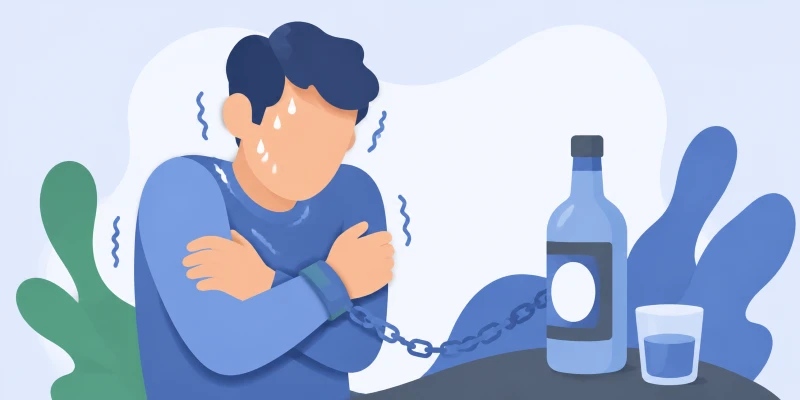
Alcohol use disorder (AUD) remains one of the most common substance use conditions worldwide. The numbers below illustrate how widespread alcohol dependence really is.
Most US alcohol statistics below are from the NIAAA 2024 National Survey on Drug Use and Health. Full survey here.
- 28 million Americans ages 12 and older had Alcohol Use Disorder in the past year, representing nearly 10% of the population.
- 1 in 10 adults (10.3%) ages 18 and older meet the criteria for AUD, with rates higher among men (12.9%) than women (8.0%).
- 775,000 youth ages 12 to 17 had AUD in the past year, with rates nearly twice as high among girls (4.1%) as boys (1.9%).
- Alcohol kills 178,000 Americans each year, making it the leading preventable cause of death in the US (CDC).
- In Canada, heavy drinking declined from 19.2% to 15.6% between 2015 and 2021, yet 1 in 3 Canadians aged 15 and older still report drinking at high-risk levels (CCSA, 2025). The average Canadian drinker consumes more than 13 drinks per week — well above low-risk amounts.
- Alcohol-attributable harms cost Canada dearly. According to the Canadian Substance Use Costs and Harms project, alcohol was responsible for over $20 billion in health care, lost productivity, and criminal justice costs in Canada in 2020.
- Alcohol withdrawal can be fatal. Unlike cannabis or opioid withdrawal, severe alcohol withdrawal can cause seizures and delirium tremens (DTs), which have a mortality rate of up to 5% without medical treatment (Verywell Health).
- Only about 7% of people with AUD receive treatment each year, despite effective treatments being available.
- Medications for AUD exist and are underused. Naltrexone, acamprosate, and disulfiram are FDA-approved in the US and also available through Canadian prescribers, and can help reduce cravings and prevent relapse.
Alcohol dependence cuts across borders. The data from both the US and Canada points to the same reality: it's common, costly, and critically undertreated.
Alcohol dependence is widespread, but it's also treatable. The first step is recognizing the signs and understanding where you stand.
If you're wondering about physical dependence, you may have already noticed some changes in how alcohol affects you. Physical dependence is different from simply drinking a lot. It means your body has adapted to alcohol's presence and reacts when it's not there.
Here are the key signs of physical alcohol dependence, as recognized in clinical guidelines (ASAM):
- You need significantly more alcohol than you used to to feel the same effects
- You experience shakes, sweating, or nausea when you haven't had a drink in several hours
- You drink specifically to avoid or relieve withdrawal symptoms
- You've tried to cut down or stop but couldn't because of physical discomfort
- You wake up needing a drink to feel normal or steady your hands
- You experience strong cravings that feel physical, not just mental
If several of these ring true, this page is not a diagnosis but a starting point for reflection. Alcohol withdrawal can be dangerous without medical supervision. Our Physical Dependency Check offers a structured way to reflect on your experiences, and if you're experiencing shakes or other withdrawal symptoms, consider speaking with a healthcare provider.
Alcohol dependence shows up in both physical and behavioral ways. The NIAAA identifies a set of criteria that help distinguish problematic drinking from physical dependence:
Physical signs:
- Tolerance: Needing more alcohol to get the same effect, or noticing that the same amount has less effect than before
- Withdrawal: Experiencing shakes, sweating, anxiety, nausea, insomnia, or rapid heart rate when the effects of alcohol wear off
- Relief drinking: Drinking to make withdrawal symptoms go away, especially first thing in the morning
- Increased consumption: Drinking more or for longer periods than intended
Behavioral signs:
- Spending a lot of time drinking, being hungover, or recovering from drinking
- Giving up or reducing important social, work, or recreational activities to drink
- Continuing to drink despite knowing it's causing physical or psychological problems
- Strong cravings or urges to drink that feel overwhelming
- Failed attempts to cut down or control drinking
The presence of tolerance and withdrawal together is the strongest indicator that physical dependence has developed. This combination reflects the brain's adaptation to chronic alcohol exposure (NIH). If both are present, medical supervision is recommended before attempting to stop drinking.
This is one of the most important distinctions to understand. Heavy drinking and physical dependence are related but not the same thing.
Heavy drinking means consuming alcohol at levels that increase health risks. For men, this is 15 or more drinks per week. For women, it's 8 or more drinks per week. A heavy drinker consumes a lot of alcohol but may not experience withdrawal when they stop.
Physical dependence means the body has adapted to alcohol and experiences withdrawal symptoms when alcohol is removed. You can be physically dependent at lower drinking levels if your body has become sensitized, and you can be a heavy drinker without being physically dependent.
Key difference: Heavy drinking is about quantity. Physical dependence is about the body's reaction to the absence of alcohol. Withdrawal symptoms are the defining feature of physical dependence.
Alcohol Use Disorder combines both. The NIAAA defines AUD based on 11 criteria that include both heavy use patterns and physical dependence symptoms. The more criteria you meet, the more severe the disorder.
The timeline varies significantly based on genetic factors, drinking patterns, and individual physiology. However, some general patterns are well documented.
Daily heavy drinking: People who drink heavily every day can develop physical dependence within weeks to months. The body adapts quickly to regular alcohol exposure.
Binge pattern: People who binge drink on weekends may develop psychological dependence first, but physical dependence typically takes longer without daily consumption.
Slow progression: For many, physical dependence develops gradually over years. Tolerance increases slowly, withdrawal symptoms emerge subtly, and the transition from "heavy drinker" to "physically dependent" happens without a clear turning point.
Risk factors that speed up dependence (NIH):
- Daily drinking, especially throughout the day
- Family history of alcohol dependence
- Starting drinking at a young age
- Drinking on an empty stomach (faster absorption)
- Combining alcohol with other substances
There's no safe timeline. Physical dependence can develop faster than most people expect. If you're drinking daily and notice that you need more to feel the same effects, it's worth paying attention to.
Physical alcohol dependence fundamentally changes how your brain and body function. Alcohol is a central nervous system depressant, and your body compensates for its presence by ramping up excitatory activity. When alcohol is removed, this overcompensation creates withdrawal symptoms.
Brain adaptation: Your brain produces more excitatory neurotransmitters (like glutamate) to counter alcohol's sedative effects. Over time, your brain needs alcohol just to maintain a chemical balance. Without it, the brain becomes hyperactive, causing anxiety, agitation, and in severe cases, seizures.
Liver changes: Your liver produces more enzymes to break down alcohol efficiently, which contributes to tolerance. This also means other medications can be metabolized faster, reducing their effectiveness. Alcohol-associated liver disease ranges from fatty liver to cirrhosis and accounts for a significant share of alcohol-related deaths (ScienceDirect).
Nervous system: Your peripheral nerves can become damaged, leading to numbness, tingling, or pain in the hands and feet. This is called alcoholic neuropathy.
Heart and circulation: Chronic heavy drinking weakens the heart muscle, raises blood pressure, and increases the risk of stroke and heart failure.
Digestive system: Alcohol irritates the stomach lining, impairs nutrient absorption, and can cause pancreatitis. Many physically dependent people suffer from chronic digestive issues.
The good news: many of these effects are reversible if caught early. The brain and body have remarkable recovery capacity, but the first step is acknowledging the problem and seeking appropriate support.
Alcohol withdrawal symptoms range from uncomfortable to life threatening. Unlike withdrawal from many other substances, alcohol withdrawal requires medical attention in moderate to severe cases.
Mild symptoms (6-12 hours after last drink):
- Anxiety and restlessness
- Mild tremors (shaky hands)
- Headache
- Nausea and vomiting
- Sweating
- Insomnia and vivid dreams
Moderate symptoms (12-48 hours):
- Increased heart rate and blood pressure
- Irregular heartbeat
- Confusion and irritability
- Rapid mood changes
- Heightened sensitivity to light and sound
Severe symptoms (48-72 hours):
- Seizures (can occur within 12-48 hours)
- Delirium Tremens (DTs) severe confusion, hallucinations, fever, and agitation
- Hallucinations (visual, auditory, or tactile)
- Severe autonomic instability (dangerous swings in heart rate, blood pressure, and temperature)
The Clinical Institute Withdrawal Assessment for Alcohol (CIWA-Ar) is the standard tool healthcare providers use to assess withdrawal severity and determine whether medication is needed.
Yes, alcohol withdrawal can be dangerous and even fatal. This is the most important thing to understand about physical alcohol dependence.
Unlike cannabis withdrawal, which is uncomfortable but safe, alcohol withdrawal can cause seizures, stroke, heart attack, and delirium tremens (DTs). Delirium tremens affects about 2% of people with alcohol dependence and carries a mortality rate of up to 30% if untreated (SAGE Journals). Even with treatment, DTs require intensive medical care.
If you experience any of these signs, seek medical help immediately:
- Seizures
- Severe confusion or disorientation
- Hallucinations (seeing or hearing things that aren't there)
- Rapid or irregular heartbeat
- Fever
- Severe vomiting
What this means for you: If you drink heavily every day and want to stop, do not quit cold turkey without medical supervision. Medications like benzodiazepines can safely manage withdrawal symptoms and prevent complications. Many people successfully detox in medical or outpatient settings with proper support.
Alcohol withdrawal follows a relatively predictable timeline. Knowing what to expect can help you understand whether medical supervision is needed.
6-12 hours after last drink: Early withdrawal begins. Symptoms include mild tremors, anxiety, headache, nausea, sweating, and insomnia. This is the stage where many people drink again to relieve discomfort.
12-24 hours: Symptoms intensify. Some people may experience alcohol-related seizures during this window, even if they don't have a history of seizures. Each withdrawal episode can increase seizure risk through a process called kindling (PubMed).
24-48 hours: Peak withdrawal for most people. Vital signs can become unstable. Hallucinations may occur (typically visual). This is the period of highest risk.
48-72 hours: Delirium tremens (DTs) can develop, characterized by severe confusion, agitation, hallucinations, fever, and dangerous cardiovascular instability. DTs typically resolve within 3-5 days but can last longer (NEJM).
5-7 days: Acute withdrawal symptoms typically resolve within a week. However, some people experience post-acute withdrawal syndrome (PAWS) lasting weeks or months, with lingering mood swings, sleep disturbances, and cravings.
The severity and duration depend on how long and heavily you've been drinking. A medically supervised detox can significantly reduce risks and make the process more manageable.
Yes, there are several FDA-approved medications that help with both alcohol withdrawal and long term recovery. According to the NIAAA, these medications are underused despite strong evidence of their effectiveness.
For withdrawal management:
- Benzodiazepines: The standard of care for alcohol detox. Medications like diazepam (Valium), chlordiazepoxide (Librium), and lorazepam (Ativan) prevent seizures and reduce withdrawal severity. They are typically tapered over several days.
- Anticonvulsants: Medications like carbamazepine are sometimes used as alternatives, particularly for mild to moderate withdrawal.
For maintaining sobriety:
- Naltrexone: Reduces cravings and blocks the pleasurable effects of alcohol. Can be taken daily as a pill or monthly as an injection (Vivitrol).
- Acamprosate (Campral): Helps restore brain chemistry balance and reduces the physical distress of abstinence.
- Disulfiram (Antabuse): Causes severe physical reactions if alcohol is consumed, acting as a deterrent. Most effective for people who are highly motivated.
The NIAAA's COMBINE Study, the largest pharmacotherapy trial for AUD in the US, found that naltrexone combined with medical management was particularly effective (COMBINE Study). These medications work best when combined with counseling or behavioral therapy. Talk to a healthcare provider about what options might be right for you.
If you're physically dependent on alcohol, stopping drinking requires a careful approach. Safety comes first.
1. Consult a healthcare provider first. If you experience withdrawal symptoms when you stop drinking, do not attempt to quit cold turkey without medical advice. A doctor can assess your risk and recommend the safest approach, which may include medically supervised detox.
2. Consider medical detox. Inpatient detox programs provide 24/7 monitoring and medications to manage withdrawal safely. Outpatient detox is also an option for mild to moderate dependence.
3. Tapering under guidance. Some people can reduce their drinking gradually with a doctor's supervision. This approach involves slowly decreasing alcohol intake over days or weeks to minimize withdrawal symptoms.
4. Plan for long term recovery. Detox is just the first step. Lasting recovery typically involves ongoing support through counseling, medication, peer groups like Alcoholics Anonymous or SMART Recovery, and lifestyle changes.
5. Build a support system. Tell trusted people in your life that you're working on changing your relationship with alcohol. Isolation makes recovery harder. Connection makes it possible.
Stopping alcohol after physical dependence triggers a recovery process that happens in stages. The first week is the most challenging, but the long term benefits are significant.
Days 1-3: Withdrawal symptoms peak. This is the most dangerous phase. Medical supervision is strongly recommended. Symptoms may include tremors, anxiety, nausea, rapid heart rate, and insomnia.
Days 4-7: Acute symptoms begin to subside for most people. Sleep may still be disrupted. Mood swings and cravings remain strong. Energy and mental clarity start to return.
Weeks 2-4: Physical symptoms largely resolve. Sleep patterns improve. Mental clarity increases significantly. Cravings become less frequent but can still be triggered by stress or social situations.
Months 1-3: The brain continues to heal its neurotransmitter balance. Many people report better mood stability, improved memory, and renewed interest in hobbies and relationships.
Long term (3+ months): Physical recovery is well underway. Studies show brain metabolism and structure can improve significantly with sustained abstinence (Nature). Liver function improves, blood pressure normalizes, and the risk of many alcohol-related health conditions decreases. Many people discover a new sense of freedom and presence in their own lives.
What people report after stopping:
- Better sleep quality (once withdrawal passes)
- More stable mood and less anxiety
- Clearer thinking and better memory
- Improved physical health and energy
- Stronger relationships
- Significant financial savings
- Freedom from the constant cycle of drinking and recovery
Alcohol cravings in physical dependence are not the same as a simple desire for a drink. They are driven by changes in your brain chemistry. With chronic alcohol use, your brain adapts by increasing excitatory neurotransmitters (like glutamate) to counter alcohol's sedative effects. When you stop drinking, the brain stays hyperexcitable, producing intense physical cravings that can feel overwhelming. These changes involve multiple neurotransmitter systems including GABA, glutamate, dopamine, and the brain's stress response.
Medication is the most effective tool for physical cravings. Willpower alone struggles against a brain that has physically adapted to alcohol. FDA-approved medications target the root cause:
- Naltrexone blocks opioid receptors involved in the rewarding effects of alcohol, reducing both cravings and the pleasure of drinking. Available as a daily pill or monthly injection (Vivitrol). Research shows it can reduce heavy drinking days by 17% on average (UpToDate).
- Acamprosate (Campral) helps restore the balance between GABA and glutamate in the brain, reducing the physical discomfort that drives cravings during abstinence.
- Disulfiram (Antabuse) does not reduce cravings directly but creates a strong deterrent by causing severe physical reactions if alcohol is consumed.
Recognize that physical cravings have a biological cycle. In early recovery, cravings can spike intensely but typically last 15-30 minutes at a time. The intensity gradually decreases over days and weeks as your brain chemistry rebalances. Understanding this can help you ride out the worst moments.
Medical supervision matters. If you are physically dependent, cravings are a sign that your brain is still in withdrawal mode. Managing the underlying physical dependence with medical support often makes cravings more manageable naturally. The 90-Second Urge Reset (read more) can help with the psychological layer, but medication and medical support address the biological root.
Build structure around early recovery. Physical cravings are strongest in the first two weeks. During this time, reduce exposure to triggers: remove alcohol from your home, avoid people and places tied to drinking, and fill your schedule with structured activities. Each day without alcohol reduces the intensity of physical cravings.
Stay connected to professional support. Cravings lose power when shared. Regular check-ins with a healthcare provider or counselor, combined with medication if recommended, give you the best chance of moving through the physical dependence phase safely.