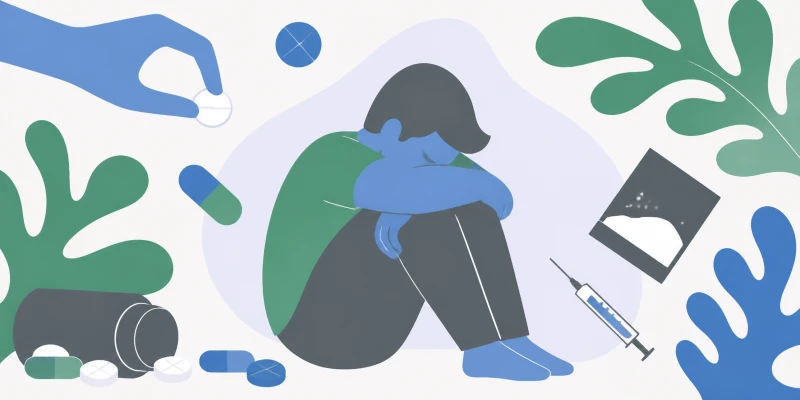
What Is Drug Addiction?
Drug addiction, clinically known as substance use disorder, is a condition where drug use becomes compulsive and continues despite serious harm to health, relationships, work, and every other dimension of life.
It's not about willpower or moral failing.
Drug addiction physically changes the brain. The same reward circuits that evolved to keep us eating, connecting, and surviving get hijacked. The drug floods the brain with dopamine, and over time the brain adapts, needing the substance just to feel normal.
Addiction is a medical condition, not a character flaw.
It can develop from prescription medications taken exactly as prescribed, from recreational use that started as weekend experimentation, from self-medicating trauma, anxiety, or chronic pain.
How you got here doesn't matter when it comes to getting help. What matters is recognizing the pattern.
The DSM-5, the diagnostic manual used by mental health professionals, classifies substance use disorders on a spectrum from mild to severe. You don't need to lose everything to have a problem. The earlier it's caught, the better the outcomes.
Frequently Asked Questions
The line between use and problematic use isn't always obvious, especially in the beginning. But certain patterns point toward addiction.
Loss of control. Using more than you intended, or for longer than you planned. Telling yourself "just this once" and finding it's never just once.
Failed attempts to stop. You've tried to cut back, quit, or take breaks, but couldn't sustain it. You might have made promises to yourself or others and broken them.
Preoccupation and cravings. Spending significant time thinking about using, planning when you'll use next, or recovering from its effects. Strong urges when you try to stop.
Neglected responsibilities. Work slipping, school performance dropping, relationships straining. Things you used to care about taking a back seat.
Continued use despite harm. Using even when you know it's causing physical or mental health problems, financial trouble, or conflict with people you care about.
Tolerance and withdrawal. Needing more to get the same effect. Feeling physically or emotionally unwell when you don't use.
If several of these resonate, the drug self-checks above are a good place to start reflecting.
Yes. Some of the most commonly misused substances start in a medicine cabinet, prescribed by a doctor with good intentions.
Opioids (OxyContin, Vicodin, fentanyl) are prescribed for pain but are chemically similar to heroin and highly addictive. The opioid crisis, which has claimed hundreds of thousands of lives, was fueled in large part by prescription opioids before shifting to illicit fentanyl.
Benzodiazepines (Xanax, Valium, Klonopin) prescribed for anxiety can create physical dependence within weeks. Withdrawal from benzodiazepines can be dangerous and should always be medically supervised.
Stimulants (Adderall, Ritalin) prescribed for ADHD work similarly to methamphetamine on the brain's dopamine system. When used as prescribed they're generally safe, but misuse, taking higher doses, or using without a prescription carries serious risk.
Addiction to prescription drugs is not a sign you did something wrong. It's a known risk of medications that affect the brain's reward system. The key is recognizing when prescribed use has shifted to problematic use and seeking help without shame.
Drug addiction is one of the most studied conditions in medicine, and effective treatments exist across a wide spectrum of approaches.
Cognitive Behavioral Therapy (CBT) helps identify triggers, change thought patterns around drug use, and build coping strategies for cravings. It's one of the most researched and effective approaches.
Medication-assisted treatment (MAT) uses FDA-approved medications like methadone, buprenorphine, and naltrexone to manage withdrawal, reduce cravings, and stabilize brain chemistry. MAT has strong evidence for opioid and alcohol addiction and is considered the gold standard of care.
Support groups including Narcotics Anonymous (NA), SMART Recovery, and substance-specific groups like Cocaine Anonymous provide peer support, accountability, and long-term recovery communities.
Inpatient and outpatient treatment ranges from intensive residential programs to flexible outpatient therapy, depending on the severity of the addiction and the individual's life circumstances.
The most effective approach is often a combination. Medication to stabilize, therapy to understand and rewire, and community to sustain. Recovery is possible at any stage. People recover from severe, long-term addiction every day.
Yes. Millions of people recover from drug addiction and go on to live full, healthy lives.
Recovery isn't about never struggling again. It's about building a life where drugs no longer occupy the center. Where cravings become manageable. Where relationships heal. Where purpose replaces compulsion.
Relapse is part of many people's recovery journeys, not a sign of failure. Addiction is a chronic condition, like diabetes or hypertension. It requires ongoing management. A relapse means the treatment plan needs adjustment, not that recovery is impossible.
The brain's neuroplasticity, its ability to rewire and heal, is real. Every day without using strengthens new neural pathways. Every healthy coping strategy practiced makes the next one easier. Recovery builds momentum.
No matter how long the addiction has lasted or how many times you've tried before, recovery is always possible.
Taking the First Step
Recognizing that your drug use might be problematic is itself a significant step. Many people spend years rationalizing, minimizing, or comparing themselves to others who "have it worse" without looking honestly at their own patterns.
The drug self-checks above provide a structured starting point for reflection. They're not diagnostic tools. No online check replaces a professional evaluation. But they can help you organize your thoughts, identify patterns, and decide whether it's worth exploring further with a therapist, counselor, or treatment provider.
Recovery from drug addiction is possible. Millions of people have done it, and the tools available today are more effective and accessible than ever. The brain's ability to heal and rewire means new, healthier patterns can be built over time. Each day, each choice, strengthens those new pathways.
It's not about being perfect. It's about progress.
See a problem on this page? Tell us