Meth Addiction Q&A
Methamphetamine holds a reputation for a reason. It produces one of the most intense dopamine surges of any drug, and it can transform a person's health, appearance, and life in a startlingly short time. Below, we answer the most common questions about meth use: the warning signs of dependence, the statistics, how it damages the body and mind, and what actually helps when you want to stop. When you're ready, take our free Meth Addiction Check (Takes 1-3 minutes, confidential, with instant results)
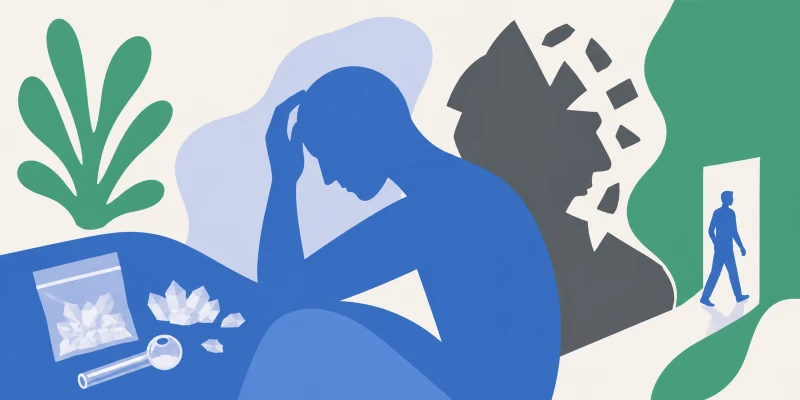
Methamphetamine is a growing public health concern. Most statistics below come from NIDA and the CDC.
- Overdose deaths involving psychostimulants, primarily methamphetamine, rose from about 5,700 in 2015 to roughly 34,800 in 2023 according to CDC mortality data cited by NIDA.
- Past-year meth use in the United States varies by group, reaching about 4.3% among American Indian or Alaska Native people in the 2023 National Survey on Drug Use and Health (SAMHSA).
- No FDA-approved medication exists specifically for meth use disorder, unlike opioid use disorder. Behavioral therapies are the primary treatment approach.
- Methamphetamine use disorder has been rising, with meth frequently involved in overdose deaths alongside fentanyl and other substances.
- Rates are highest among younger adults and in certain regions, though meth use has spread beyond its historic geographic base.
Meth is one of the most addictive substances known, with a faster path from first use to dependence than many other drugs. The risk is real regardless of how use begins.
If you are asking this question, you have likely noticed some patterns that concern you. Meth addiction can develop quickly, and the signs are based on the same criteria used to identify stimulant use disorder.
Signs that point toward meth addiction:
- You use more meth or use it more often than you intended
- You have tried to cut back or stop and could not
- You spend significant time obtaining, using, or recovering from meth
- You experience strong cravings when you are not using
- You continue using despite negative effects on your health, finances, or relationships
- You need more meth to get the same effect (tolerance)
- You feel depressed, exhausted, or irritable when you stop
- You have lied to others about your meth use
- You have used meth in risky situations
If several of these ring true, you may be experiencing meth use disorder. Our Meth Use Check can give you a clearer picture.
Meth addiction shows up in physical, behavioral, and psychological signs. Many mirror other substance addictions, but meth has some distinctive markers.
Physical signs:
- Severe tooth decay and gum disease, often called "meth mouth"
- Rapid weight loss and decreased appetite
- Skin sores from picking or scratching (a sensation sometimes called "meth mites")
- Dilated pupils and rapid eye movement
- Racing heart, chest pain, or high blood pressure
- Staying awake for days, then crashing into long sleep
Behavioral signs:
- Secretive behavior and lying about whereabouts or spending
- Financial problems, borrowing money, or selling possessions
- Social withdrawal from friends and family who do not use
- Loss of interest in hobbies and activities unrelated to meth
- Continued use despite relationship or work problems
Psychological signs:
- Paranoia or suspiciousness, sometimes severe
- Hallucinations or delusions, especially during long runs
- Anxiety, agitation, or irritability
- Depression and low mood, particularly when coming down
- Intense cravings that feel difficult to resist
Meth is one of the most rapidly addictive substances known. It produces an enormous surge of dopamine, far beyond what natural rewards produce, and the brain quickly learns to prioritize that reward (NIDA).
First use: The initial experience is often intensely euphoric. Meth releases several times more dopamine than natural rewards, creating a powerful memory the brain will seek to repeat.
Early escalation: Many people begin using more frequently within weeks. The "run" pattern, staying awake for days and redosing to avoid the crash, can begin early and dramatically accelerates dependence.
Route matters: Smoking or injecting meth reaches the brain fastest and carries the highest addiction potential. The faster a drug reaches the brain, the more addictive it tends to be.
Tolerance and dependence: Tolerance develops rapidly. The brain's dopamine system downregulates, so normal activities stop feeling rewarding, and the person increasingly needs meth just to feel normal.
With meth, the line between casual use and addiction can blur quickly. Meth's potency means even "occasional" use carries serious risk.
Casual or experimental use:
- Using infrequently, typically in social settings
- No significant cravings between uses
- Can easily decline when offered
- No impact on responsibilities or relationships
- No escalation in frequency or quantity
Problematic use or addiction:
- Using alone or in secret
- Escalating frequency, quantity, or both
- Multi-day runs and using to avoid the crash
- Financial strain from purchasing
- Neglecting work, family, and personal responsibilities
- Failed attempts to stop or control use
Even if your use seems casual, pay attention to any escalation. Meth addiction often catches people by surprise because the transition can happen faster than expected.
Meth is a powerful central nervous system stimulant that affects multiple systems in the brain and body. Understanding these effects helps explain why meth is so addictive and why stopping is so hard.
Brain effects: Meth floods the brain with dopamine, producing intense euphoria and energy. Unlike some substances, meth is directly neurotoxic, meaning it can damage the neurons that produce dopamine. This damage can be long-lasting and is a major reason meth use can impair memory, attention, and the ability to feel pleasure.
Cardiovascular effects: Meth sharply increases heart rate and blood pressure while constricting blood vessels. Even a single use can trigger a heart attack, stroke, or dangerous irregular heartbeat in otherwise healthy people. Long-term use can cause permanent heart muscle damage.
Body effects: Meth suppresses appetite, leading to rapid and unhealthy weight loss. It raises body temperature, which in high doses can cause dangerous overheating. The combination of reduced saliva, teeth grinding, and poor nutrition drives the severe dental decay known as "meth mouth."
Sleep and energy: Meth keeps users awake for days at a time, then causes a crash of exhaustion. Chronic sleep deprivation worsens every other health effect and feeds the cycle of redosing.
The relationship between meth and mental health is severe and bidirectional. Meth can cause mental health problems on its own, and existing conditions increase the risk of addiction.
Short term mental health effects:
- Anxiety and agitation, especially at higher doses
- Paranoia and suspiciousness, which can become extreme
- Hallucinations, particularly during long runs or sleep deprivation
- Grandiosity or inflated self confidence during use
Long term mental health effects:
- Depression, particularly during withdrawal and early abstinence
- Meth-induced psychosis, with paranoia and hallucinations that can persist
- Cognitive impairment affecting memory, attention, and decision making
- Anhedonia, or the inability to feel pleasure, as dopamine function recovers
The withdrawal depression cycle: Meth depletes dopamine, and during withdrawal levels drop below baseline. This creates a period of deep depression, low energy, and emotional flatness that can last weeks to months. Many people relapse during this period specifically to escape the depression.
Meth takes a distinctive and visible toll on the body. Some of these changes appear relatively quickly with regular use.
Meth mouth: Severe tooth decay, gum disease, and tooth loss are so common among meth users that the condition has its own name. It is driven by a combination of dry mouth (reduced saliva), teeth grinding, sugary cravings, and neglect of hygiene during periods of heavy use.
Skin sores: Meth can cause a crawling sensation on the skin, sometimes described as "meth mites." People respond by picking or scratching, creating open sores that can become infected.
Weight loss: Meth suppresses appetite strongly, and long runs without eating cause rapid, unhealthy weight loss and malnutrition.
Premature aging: The combination of malnutrition, sleep deprivation, dehydration, and stress can make people look years older than they are within a relatively short time.
These changes are not just cosmetic. They signal serious strain on the body's systems and often accompany deeper cardiovascular and neurological damage.
Methamphetamine is chemically related to amphetamine, but a small structural difference makes it far more potent and dangerous. Both are stimulants, but meth is not the same drug.
Faster entry to the brain: Meth crosses the blood-brain barrier much more readily than amphetamine. It reaches the brain faster and at higher concentrations, which is a key reason it produces a more intense high and a higher addiction potential.
Longer duration: Meth is broken down more slowly in the body, so its effects last longer than amphetamine. This longer duration also extends the stress on the heart and brain.
Greater neurotoxicity: Meth is directly toxic to dopamine-producing neurons, causing damage that amphetamine does not cause to the same degree. This is why meth is associated with lasting cognitive and emotional changes.
The bottom line: meth is not just "stronger amphetamine." It is a distinct substance with a distinct risk profile, and it should be understood on its own terms.
Meth withdrawal is primarily psychological rather than physically dangerous, but it can be deeply uncomfortable and is a major driver of relapse. The emotional symptoms can be severe.
Common withdrawal symptoms include:
- Depression: Low mood, hopelessness, and lack of motivation
- Fatigue: Extreme tiredness and excessive sleep
- Intense cravings: Strong urges to use, often triggered by people, places, or emotions
- Increased appetite: A sharp contrast to the appetite suppression during use
- Anxiety and irritability: Feeling on edge or short-tempered
- Anhedonia: Difficulty feeling pleasure from everyday activities
- Vivid dreams: Some people dream about using meth
The most defining feature of meth withdrawal is the emotional flatness and depression that comes from a depleted dopamine system. This can make early recovery feel especially difficult, which is why support matters.
Meth withdrawal follows a general timeline, though individual experiences vary based on how long and how heavily someone used.
Days 1-3 (The crash): Intense fatigue, depression, anxiety, and strong cravings. Sleep is excessive but not restorative. This phase is the most emotionally difficult.
Days 4-10 (Early withdrawal): Cravings remain strong but become less constant. Energy begins to return, but mood may stay low. Relapse risk remains high.
Weeks 2-4 (Late withdrawal): The worst symptoms ease. Cravings become more situational. Sleep and mood stabilize slowly.
Weeks 4-12 (Prolonged withdrawal): The brain is gradually restoring dopamine function. Anhedonia and occasional cravings can persist. This is a common window for relapse without support.
Months 2-12+ (Recovery): Cravings become rare and manageable. Cognitive function and the ability to feel pleasure improve gradually over many months.
Meth withdrawal is different from withdrawal from alcohol or benzodiazepines in an important way: it is not typically life-threatening in itself. There is no equivalent of seizures or delirium tremens from stopping meth.
However, there are real risks that deserve attention:
- Severe depression: The dopamine crash can trigger deep depression, and in some cases, suicidal thoughts. If you experience thoughts of self-harm, reach out for help immediately.
- Relapse risk: The intensity of cravings can lead to impulsive decisions, especially because tolerance may have dropped, increasing overdose risk if use resumes.
- Self-medication: People in withdrawal may turn to alcohol or other substances to manage symptoms, creating additional risks.
- Extreme fatigue: The crash can leave you unable to function normally, affecting work, driving, and personal safety.
If you are withdrawing from meth and feel overwhelmed, you do not need to go through it alone. Support from a healthcare provider, counselor, or recovery group can make the process safer and more manageable.
Quitting meth is hard, but people do it successfully every day. The most effective approaches combine behavioral therapy with strong support systems.
1. Acknowledge the challenge. Meth affects the brain's reward system directly, and willpower alone is often not enough. This is not a personal failure. It is biology. Treatment and support are the most effective path forward.
2. Seek professional treatment. Behavioral therapies are the most effective treatment for meth use disorder. Contingency management, which provides incentives for staying drug-free, has the strongest evidence of effectiveness. The Matrix Model, a structured 16-week outpatient program combining relapse prevention, education, and support groups, was developed specifically for stimulant users. Cognitive behavioral therapy helps identify triggers and build coping strategies.
3. Remove access triggers. Delete contacts, avoid places where you used or purchased, and distance yourself from using friends when possible. This is critical in early recovery when cravings are strongest.
4. Plan for the crash. The first days after stopping bring intense fatigue, depression, and cravings. Arrange time off if possible, stock up on healthy food, and have someone you can call.
5. Address the depression. Post-meth depression is real and can last weeks. Exercise is one of the most effective natural dopamine boosters and can significantly improve mood and reduce cravings.
6. Build a recovery network. Crystal Meth Anonymous and Narcotics Anonymous offer free, accessible meetings. Having people who understand what you are going through makes an enormous difference.
7. Consider residential treatment. For heavy or long-term users, inpatient treatment provides a structured environment away from triggers, with support available around the clock.
Stopping meth triggers a recovery process that unfolds over months. The brain's dopamine system can take many months to normalize, but improvements begin within weeks of abstinence (NIDA).
Physical recovery: Appetite returns and weight stabilizes. Sleep patterns normalize. Blood pressure and heart rate improve. Dental and skin problems can begin to heal with care.
Brain recovery: Dopamine function begins to recover within weeks, though full normalization can take 6-12 months or longer. Cognitive function, memory, and concentration improve gradually, with the most noticeable gains in the first 3-6 months.
Emotional recovery: Mood stabilizes as dopamine function normalizes. Anxiety and paranoia fade. The ability to feel pleasure from everyday life gradually returns.
What people report after quitting:
- More stable mood and less anxiety
- Improved mental clarity and memory
- Better physical health and restored sleep
- Rebuilt relationships and trust
- Financial recovery
- Freedom from the cycle of using, crashing, and craving
- Rediscovering genuine pleasure in everyday activities
Meth cravings are among the most intense of any substance, driven by the drug's powerful effect on the dopamine system. Cravings are not a sign of weakness. They are a sign that your brain is still wired for the old pattern, and that wiring gradually weakens.
Cravings have a biological basis. Meth releases several times more dopamine than natural rewards. After regular use, the brain's dopamine receptors downregulate, making normal activities feel unrewarding. Cravings emerge when the brain seeks that surge. This is why sheer willpower often fails.
Move your body. Exercise is one of the most effective craving interventions. Physical activity naturally boosts dopamine and endorphins, providing a healthy alternative to the drug.
Change your environment. Cravings are strongly tied to context. If you always used in a specific place or with certain people, being there triggers conditioned responses. Physically leaving the situation can break the craving cycle.
Call someone before you use. The single most effective immediate strategy is to contact someone who knows you are trying to quit. Speaking the craving out loud often reduces its power. Recovery hotlines, sponsors, and support groups exist for exactly this reason.
Remember the cycle. Using to escape a craving provides temporary relief but guarantees stronger cravings tomorrow. Each craving you resist weakens the neural pathway.
If you want to stop using meth or are concerned about your use, you do not have to do it alone. Help is available in many forms, and reaching out is the single most important step.
Places to get help:
- SAMHSA National Helpline: Free, confidential, 24/7 treatment referral and support. Call 1-800-662-HELP (4357) or visit samhsa.gov.
- Crystal Meth Anonymous: A 12-step fellowship for people recovering from meth addiction, with free meetings worldwide. crystalmeth.org
- Narcotics Anonymous: Free support meetings for anyone recovering from drug addiction. na.org
- FindTreatment.gov: A searchable directory of treatment facilities and programs across the United States.
- Your doctor or a healthcare provider: Can discuss treatment options, including behavioral therapy and other forms of support.