Ketamine Addiction Q&A
Ketamine occupies an unusual corner of the drug world. Once mainly a veterinary anesthetic, it is now both a party drug and a medicine used in clinics for depression, and it carries risks that are distinct from almost every other substance. Below, we answer the most common questions about ketamine use: the warning signs of dependence, the statistics, the damage it can do to your bladder, and what actually helps when you want to stop. When you're ready, take our free Ketamine Addiction Check (Takes 1-3 minutes, confidential, with instant results)
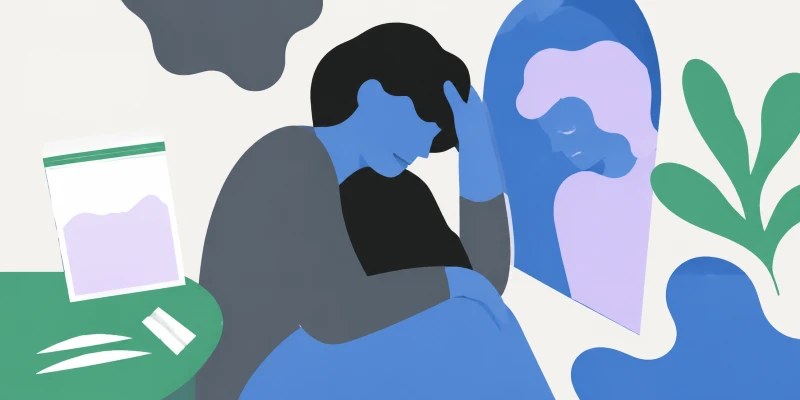
Ketamine's profile has shifted dramatically in recent years. Most information below comes from NIDA and national survey data.
- Recreational ketamine use is rising. An analysis of National Survey on Drug Use and Health (NSDUH) data found that past-year recreational ketamine use among US adults has increased dramatically since 2015 (UC San Diego).
- Use is highest among younger adults. As with many recreational drugs, ketamine use peaks in young adulthood and declines with age.
- Ketamine has a dual identity. It has been used recreationally for decades, but a related drug called esketamine is now FDA-approved for treatment-resistant depression, driving a rapid expansion of therapeutic ketamine use.
- Illicit ketamine is also increasingly available, with research documenting rising nonmedical use, poisonings, and law enforcement seizures.
Ketamine's rising popularity, combined with its genuine dependence potential and unique physical harms, makes it an increasingly important substance to understand.
If you are asking this question, you have likely noticed some patterns that concern you. Ketamine dependence can develop more quickly than many people expect, especially with frequent use.
Signs that point toward ketamine dependence:
- You use more ketamine or use it more often than you intended
- You need more ketamine to reach the same effect (tolerance)
- You have tried to cut back or stop and could not
- You chase the "K-hole" experience
- You experience cravings when you are not using
- You continue using despite bladder, urinary, or memory problems
- You use alone or in risky situations
- You have obtained ketamine from multiple sources or without any legitimate context
If several of these ring true, you may be experiencing ketamine dependence. Our Ketamine Use Check can give you a clearer picture.
Ketamine dependence shows up in physical, behavioral, and psychological signs. Some are distinctive to ketamine.
Physical signs:
- Painful or frequent urination, and reduced bladder capacity
- Impaired coordination and slurred speech
- Nausea or stomach pain
- Numbness or reduced sensation
- Weight loss or poor appetite
Behavioral signs:
- Using alone or in high doses
- Chasing the "K-hole" experience
- Withdrawing from friends and family
- Neglecting work, school, or responsibilities
- Spending significant money on ketamine
Psychological signs:
- Memory problems and confusion
- Feeling detached or disconnected from reality between uses
- Anxiety or depression, especially when not using
- Cravings and preoccupation with using
Ketamine dependence can develop faster than many people expect, driven largely by how quickly tolerance builds.
Rapid tolerance: Ketamine tolerance develops quickly, meaning the same dose produces a weaker effect over a short period. This pushes people to use more often and at higher doses to chase the same dissociative experience.
Escalation: What may start as occasional use can escalate to regular use within weeks or months for some people, especially those using ketamine to escape or self-medicate emotional distress.
Psychological dependence: Because ketamine offers a powerful escape from reality, psychological dependence can form quickly. The desire to detach becomes a coping mechanism, and the compulsion to use grows.
The role of route and dose: Higher doses and more frequent use, especially chasing K-holes, accelerate the path to dependence.
Ketamine now exists in two very different worlds, and understanding the difference matters.
Therapeutic use: A related drug called esketamine is FDA-approved for treatment-resistant depression, and ketamine itself is increasingly used off-label in clinics. In this context, it is given in a controlled medical setting, at carefully measured doses, under professional supervision, with monitoring for side effects.
Recreational use: Recreational ketamine is used without medical supervision, often at higher and uncontrolled doses, and frequently in combination with alcohol or other drugs. This is where the risks of K-holes, accidents, bladder damage, and dependence are highest.
The key difference: Setting, dose, and supervision. The same substance that may help in a controlled clinical context can cause serious harm when used recreationally at high doses or frequently.
If your ketamine use is outside of a supervised medical setting, the risks described throughout this page apply to you.
Ketamine is a dissociative drug, meaning it produces a sense of detachment from the body and surroundings. It works on a different brain system than stimulants or opioids.
Brain effects: Ketamine affects the glutamate system, producing dissociation, altered perception, and at high doses, a complete detachment from reality. It can also produce sedation and hallucinations.
Cognitive effects: Ketamine impairs memory and thinking, and with frequent use these effects can persist between sessions. Long-term heavy use is associated with lasting memory problems.
Coordination and sedation: Ketamine is also an anesthetic, so it impairs coordination and can cause numbness. This is why using it alone or while driving is so dangerous.
Urinary tract effects: Uniquely among recreational drugs, ketamine can directly damage the bladder and urinary tract. This damage is discussed in more detail below.
Ketamine has a complicated relationship with mental health. It can produce short-term relief and long-term harm.
Short term effects: Ketamine produces dissociation and a sense of detachment that can temporarily relieve emotional distress. This is part of why it has drawn interest as a treatment for depression, and also part of why people use it recreationally to escape.
The escape trap: Using ketamine to escape emotional pain can create a pattern of psychological dependence, where the drug becomes the primary coping mechanism rather than a solution.
Long term effects: Frequent ketamine use is associated with memory problems, persistent dissociation, anxiety, and low mood between uses. The comedown and the loss of connection to reality can worsen underlying mental health conditions.
The honest take: Whatever short-term relief ketamine offers, relying on it recreationally to manage mental health is risky and can make the underlying problem worse over time.
A "K-hole" is the term for a high-dose ketamine experience of complete dissociation, where a person becomes detached from their body and surroundings, sometimes unable to move or respond.
What it feels like: People describe the K-hole as an out-of-body or near-death-like experience, with complete detachment from reality and altered perception of time and space. Some find it profound, others find it terrifying.
Why it is dangerous:
- During a K-hole, a person is immobile and unable to protect themselves from accidents, falls, or choking.
- Being in a K-hole alone, or near water or in an unsafe environment, can be life-threatening.
- Chasing K-holes requires increasingly high doses, which raises the risk of overdose and bladder damage.
- The experience can be deeply distressing and contribute to anxiety or flashbacks afterward.
Chasing the K-hole is one of the clearest signs that ketamine use is escalating into dangerous territory.
Bladder damage is one of ketamine's most distinctive and serious harms, and it is not reversible in severe cases.
What happens: With repeated use, ketamine can irritate and damage the lining of the bladder and urinary tract. This condition is sometimes called "ketamine bladder" or ketamine cystitis.
Warning signs:
- Painful urination
- Frequent and urgent need to urinate
- Blood in the urine
- Reduced bladder capacity, meaning the bladder can hold less and less
- In severe cases, permanent bladder damage or the need for major surgery
What this means: These symptoms are not something to ignore or push through. They are a clear sign that ketamine is causing physical damage, and they warrant medical attention. The earlier use stops, the better the chance of recovery.
Ketamine withdrawal is primarily psychological rather than physically dangerous, but it can be uncomfortable and is a major driver of relapse.
Common withdrawal symptoms include:
- Cravings: Strong urges to use again
- Depression: Low mood and difficulty feeling pleasure
- Anxiety: Feeling on edge or restless
- Insomnia: Difficulty sleeping
- Fatigue: Low energy and poor motivation
- Difficulty concentrating: Mental fog
Because ketamine often functions as an escape, withdrawal also means facing the emotional or psychological issues that the drug was masking. This can make early recovery feel especially difficult, which is why support matters.
Ketamine withdrawal follows a general timeline, though individual experiences vary based on how long and how heavily a person used.
Days 1-3: Cravings, anxiety, and low mood are most intense. Difficulty sleeping is common.
Days 4-10: Cravings become less constant. Mood begins to stabilize, though fatigue and difficulty concentrating persist.
Weeks 2-4: Most acute symptoms ease. Sleep and energy improve gradually.
Weeks to months: Some people experience lingering low mood or cravings, especially in response to triggers. The brain and bladder continue to recover with abstinence.
Unlike benzodiazepine or alcohol withdrawal, ketamine withdrawal is not typically life-threatening. Stopping ketamine does not carry the same risk of seizures or delirium.
However, there are real risks that deserve attention:
- Severe depression: Low mood during withdrawal can be intense, and in some cases, suicidal thoughts can occur. If you experience thoughts of self-harm, reach out for help immediately.
- Relapse risk: Cravings and the desire to escape can lead to impulsive reuse.
- Self-medication: People in withdrawal may turn to other substances to manage symptoms.
If you are withdrawing from ketamine and feel overwhelmed, support from a healthcare provider or counselor can make the process safer and more manageable.
Quitting ketamine is achievable, and the approach combines behavioral strategies with strong support systems.
1. Acknowledge the challenge. Ketamine affects the brain's reward system and often functions as an escape. Willpower alone is often not enough. This is not a personal failure. Treatment and support are the most effective path forward.
2. Address the bladder. If you have experienced urinary symptoms, see a doctor. Early medical care can improve the chance of bladder recovery.
3. Seek professional support. Cognitive behavioral therapy is effective for ketamine dependence, helping identify triggers and build coping strategies that replace the escape the drug provided.
4. Remove access triggers. Delete contacts, avoid places where you used, and distance yourself from using friends when possible, especially in early recovery.
5. Plan for the emotional work. If ketamine was masking anxiety, depression, or stress, addressing those underlying issues is essential to staying off it.
6. Build a recovery network. SMART Recovery and Narcotics Anonymous offer free, accessible meetings. Having people who understand what you are going through makes an enormous difference.
Stopping ketamine triggers a recovery process that unfolds over weeks and months.
Physical recovery: Bladder and urinary symptoms can improve with abstinence, especially if caught early, though severe damage may be permanent. Energy and coordination return.
Cognitive recovery: Memory and concentration improve gradually as the drug clears and the brain recalibrates. Some cognitive fog may persist for a while before fully clearing.
Emotional recovery: Mood stabilizes, and the ability to feel pleasure and connection to everyday life returns.
What people report after quitting:
- Clearer thinking and better memory
- Improving bladder and urinary health
- More stable mood and less anxiety
- Reconnection with friends and family
- Freedom from the cycle of escape and craving
Ketamine cravings often show up as a desire to escape or detach, rather than an obvious urge for the drug itself. Recognizing them for what they are is the first step to managing them.
Cravings often masquerade as a need to escape. What feels like "I just need to get away from everything" is often the brain's learned response to stress. Naming it as a craving rather than a genuine need reduces its power.
Practice grounding techniques. Deep breathing, mindfulness, and physical grounding can help you reconnect with your body and the present moment, the opposite of what ketamine does.
Move your body. Exercise naturally boosts mood and provides a healthy way to discharge stress and anxiety.
Change your environment. Cravings are tied to context. Leaving a triggering place or situation can break the cycle.
Reach out before you use. Contacting a supportive person or calling a helpline when a craving hits is one of the most effective immediate strategies. Speaking the feeling out loud reduces its intensity.
Remember the cycle. Using to escape a craving provides temporary relief but strengthens the pattern. Each craving you ride out weakens the neural pathway and brings you closer to recovery.
If you want to stop using ketamine or are concerned about your use, help is available. Support is especially important if you have bladder or urinary symptoms, which need medical attention.
Places to get help:
- Your doctor or a healthcare provider: Can address both the dependence and any bladder or urinary symptoms. Early medical care improves the chance of recovery.
- SAMHSA National Helpline: Free, confidential, 24/7 treatment referral and support. Call 1-800-662-HELP (4357) or visit samhsa.gov.
- SMART Recovery: A science-based mutual support program with free tools and meetings. smartrecovery.org
- Narcotics Anonymous: Free support meetings for anyone recovering from drug addiction. na.org
- FindTreatment.gov: A searchable directory of treatment facilities and programs across the United States.